The Finest Tea from Sri Lanka

Pure Ceylon Tea is recognized worldwide as one of the finest black teas available. Grown exclusively in Sri Lanka, formerly known as Ceylon, this tea is celebrated for its exceptional flavor, aroma, and quality. Authentic Pure Ceylon Tea is certified by the Lion Logo of the Sri Lanka Tea Board, a mark that guarantees the tea was grown and packed entirely in Sri Lanka according to strict quality standards.

Sri Lanka is also known as the world’s first Ozone Friendly Tea producing country, ensuring environmentally responsible cultivation and production practices.

From the Island of Ceylon

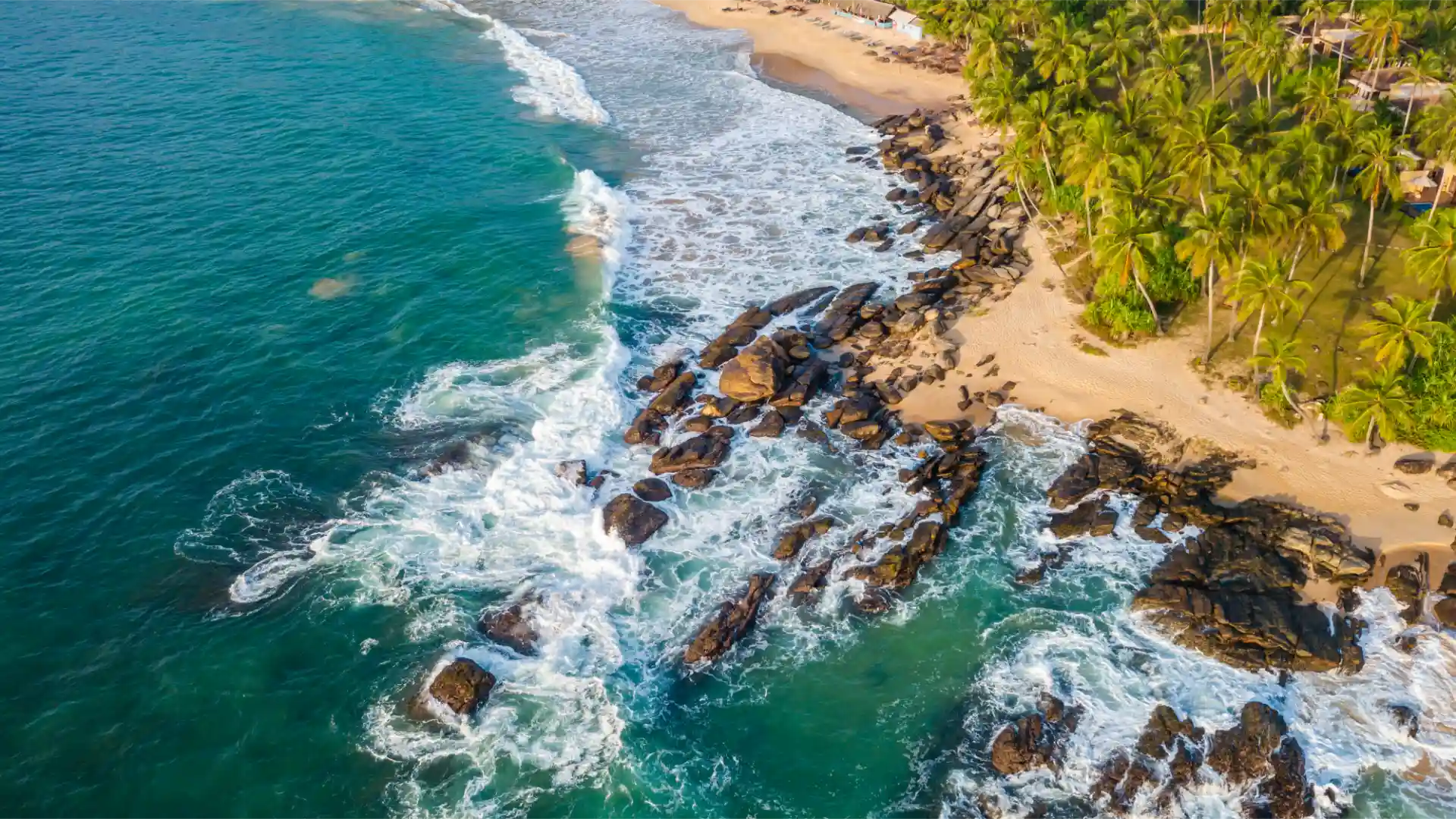
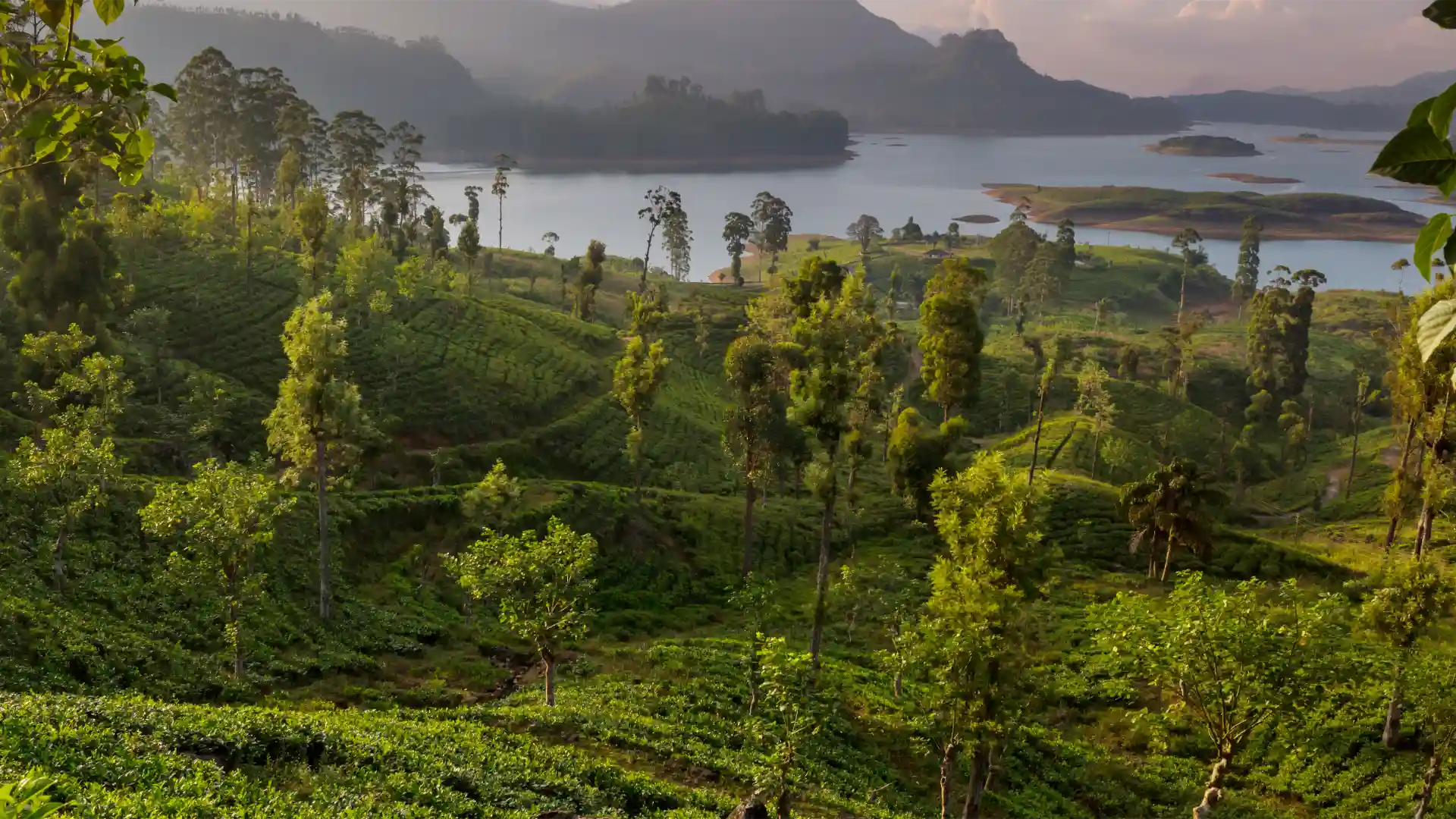
Sri Lanka is often referred to as The Pearl of the Indian Ocean, a name inspired by its natural beauty and unique geographical location. This teardrop-shaped island sits in the Indian Ocean and is known for its breathtaking landscapes, ranging from lush rainforests and misty mountain ranges to fertile valleys and rolling tea estates. These natural conditions create the perfect environment for cultivating tea with unique flavor profiles and remarkable quality.

The Tea Plant

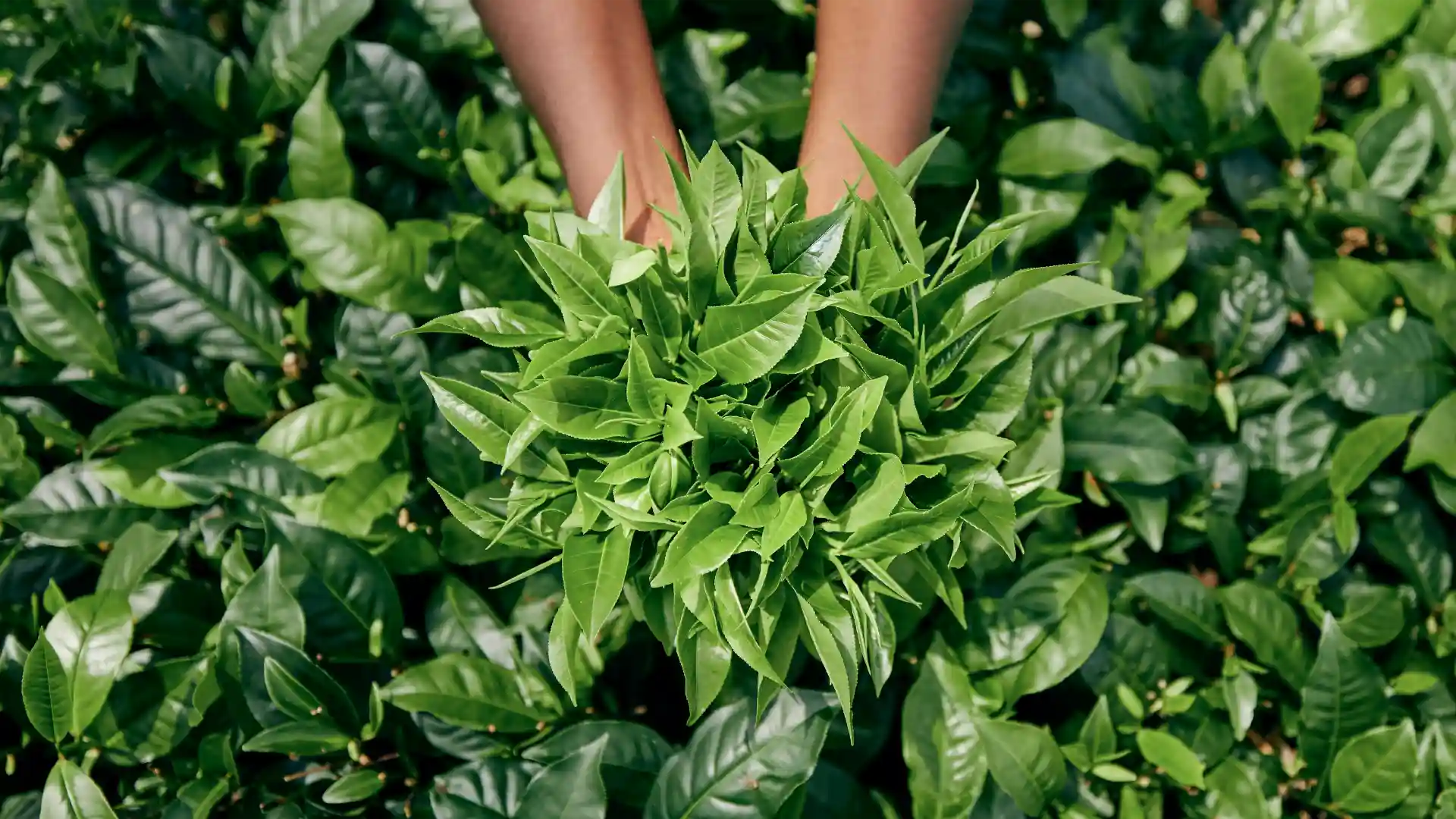
All traditional tea varieties—including black tea, green tea, white tea, and oolong tea—originate from the same plant species known as Camellia Sinensis. This evergreen shrub grows naturally in tropical and subtropical climates and is particularly well suited to the environmental conditions found in Sri Lanka’s tea-growing regions. The plant thrives in well-drained, slightly acidic soil and flourishes when exposed to a balanced combination of rainfall, humidity, sunlight, and altitude.

Camellia Sinensis

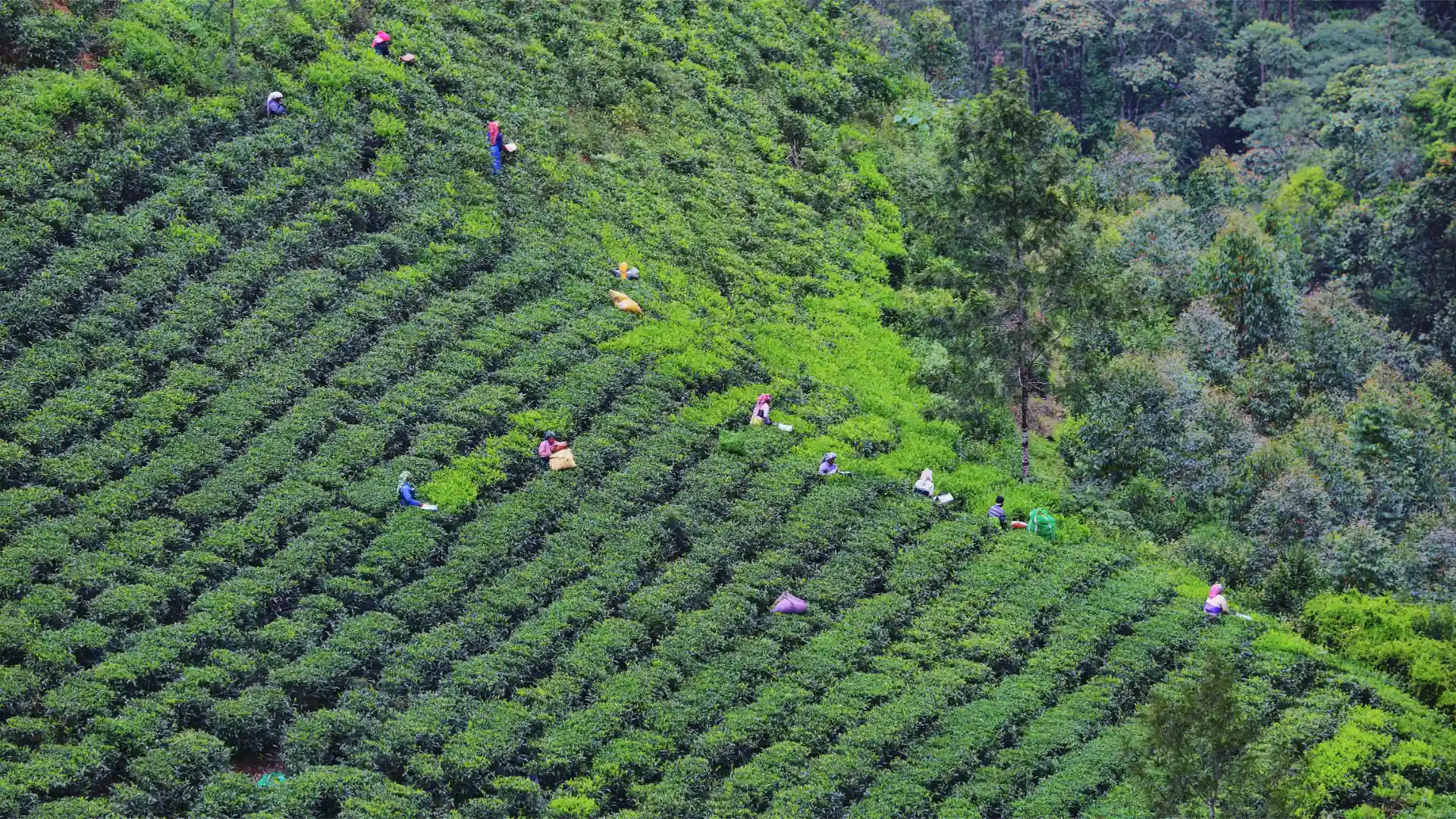
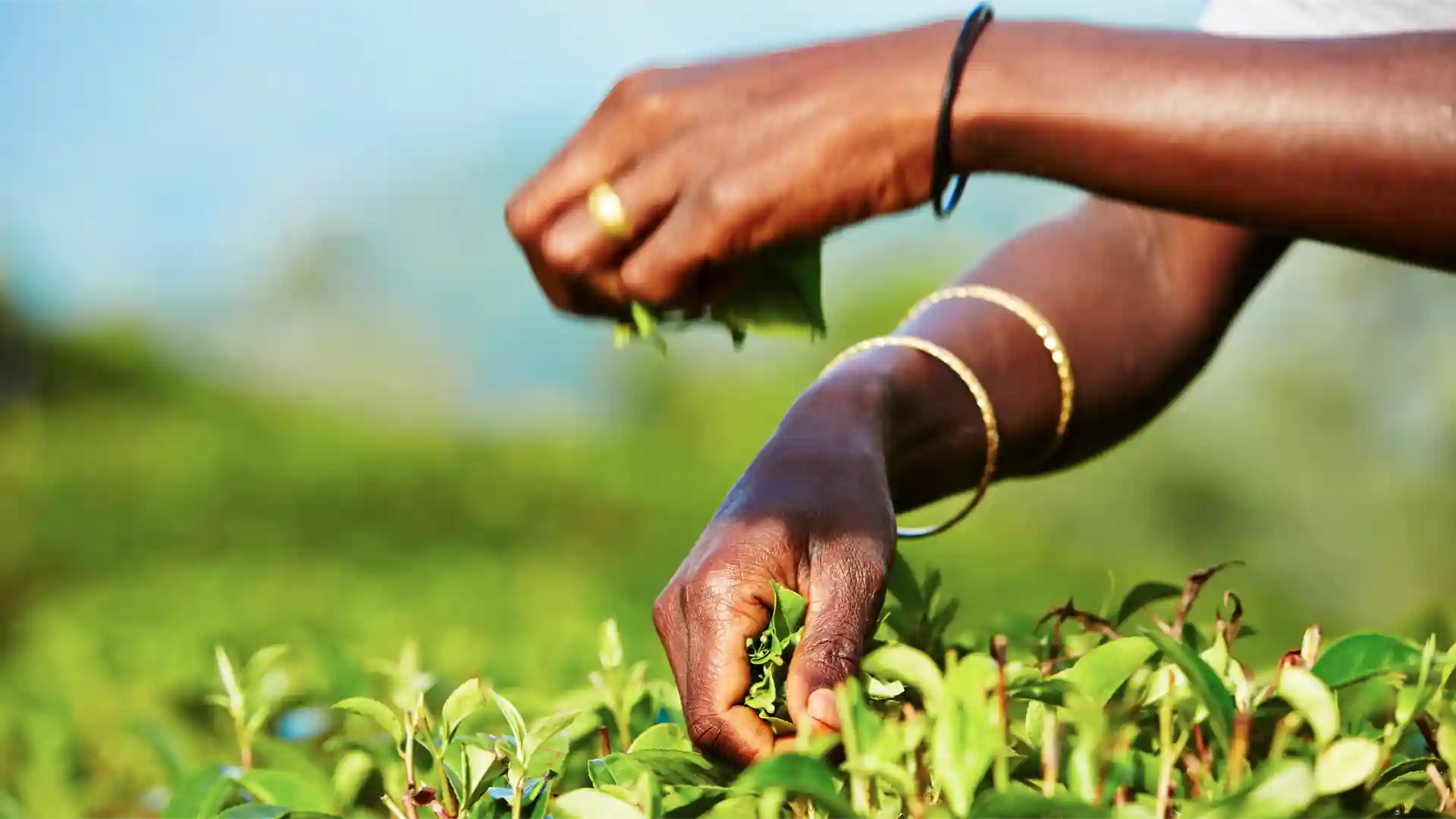
Tea bushes are remarkably resilient and can live for over a century when properly maintained. To make harvesting easier, the plants are carefully pruned and maintained at a height of approximately three to four feet, allowing skilled tea pluckers to harvest the young leaves and buds by hand. Environmental factors such as elevation, soil composition, rainfall, wind conditions, and temperature can significantly influence the chemical composition of the leaves. Even within the same estate, tea bushes may produce leaves with subtle variations in flavor, aroma, and texture, contributing to the complexity and richness that tea enthusiasts appreciate.

Why Ceylon Tea is Truly Unique to the World

Tea may seem simple—a beverage created by infusing dried tea leaves in hot water—but the flavor of each cup is shaped by a remarkable combination of environmental and human factors. Sri Lanka’s relatively small geographical area contains an extraordinary range of microclimates, allowing tea growers to cultivate a wide variety of tea styles throughout the year. These microclimates influence everything from the growth rate of the tea plant to the chemical compounds present in the leaves, which ultimately determine the flavor, strength, and aroma of the finished tea.

A Perfect Balance of Climate and Tradition

Tea cultivation in Sri Lanka dates back to the late 19th century, when commercial tea planting began in 1880. Since then, the country has maintained strict production standards and traditional processing techniques that preserve the quality and character of its teas. The harmonious interaction of fertile land, seasonal rainfall, warm tropical sunlight, and skilled craftsmanship creates teas that are known worldwide for their brightness, briskness, and aromatic complexity. This unique combination of nature and tradition is what makes Pure Ceylon Tea truly special.

Distinct Regional Flavours

The Unique Character of Ceylon Tea

One of the defining characteristics of Ceylon Tea is the diversity of flavors that emerge from Sri Lanka’s different tea-growing regions. The island’s tea districts are traditionally categorized according to elevation into Low Grown, Mid Grown, and High Grown tea regions. Each elevation produces teas with unique characteristics that reflect the environmental conditions of that particular area.

Low Grown Teas

Low Grown teas are cultivated in regions such as Ruhuna and Sabaragamuwa, located at lower altitudes near sea level. These teas are typically full-bodied, strong, and rich in flavor, often featuring longer tea leaves and deeper color. The warm climate and heavy rainfall in these regions contribute to the bold character that makes Low Grown teas particularly popular in international markets.

Mid Grown Teas

Mid Grown teas, often associated with the historic Kandy region, are cultivated at moderate elevations where the climate is slightly cooler. These teas produce a bright infusion with a balanced flavor and a warm coppery tone. Mid Grown teas are known for their versatility and are often used in both traditional tea blends and specialty tea products.

High Grown Teas

High Grown teas, produced in elevated regions such as Nuwara Eliya, Dimbula, and Uva, are widely regarded as some of the most refined teas in the world. The cooler temperatures, misty mountain air, and unique seasonal winds in these regions create teas with delicate aromas, subtle citrus notes, and a smooth, elegant taste. These teas are highly prized for their complexity and are often enjoyed by tea connoisseurs around the world.


“The global tea industry continues to evolve, but one principle remains constant: collaboration between producers, manufacturers, and brands is essential. When each part of the value chain works together with transparency and shared standards, it allows authentic and high-quality tea products to reach consumers around the world.”
- Nihal Wijesinghe

Ceylon Plantations Colombo Tea Exporters Logo

Ready to Build Your Tea Brand?

Partner with our private label manufacturing team to develop, pack, and export premium Ceylon tea, herbal, and wellness products tailored to your market.