

The global reputation of Ceylon Tea did not emerge overnight. Its story begins in the 19th century, during a period of major change in Sri Lanka’s plantation economy. At that time the island, then known as Ceylon, was one of the world’s leading producers of coffee. Vast plantations covered the central highlands, and coffee exports formed the backbone of the colonial economy.
However, in the late 1860s, a devastating fungal disease known as coffee leaf rust (Hemileia vastatrix) began spreading rapidly across the island. The disease destroyed coffee crops across the plantations, leaving landowners searching for an alternative crop that could survive in the mountainous terrain and humid climate of Sri Lanka.
What followed was the beginning of a transformation that would shape the island’s economy and identity for generations.
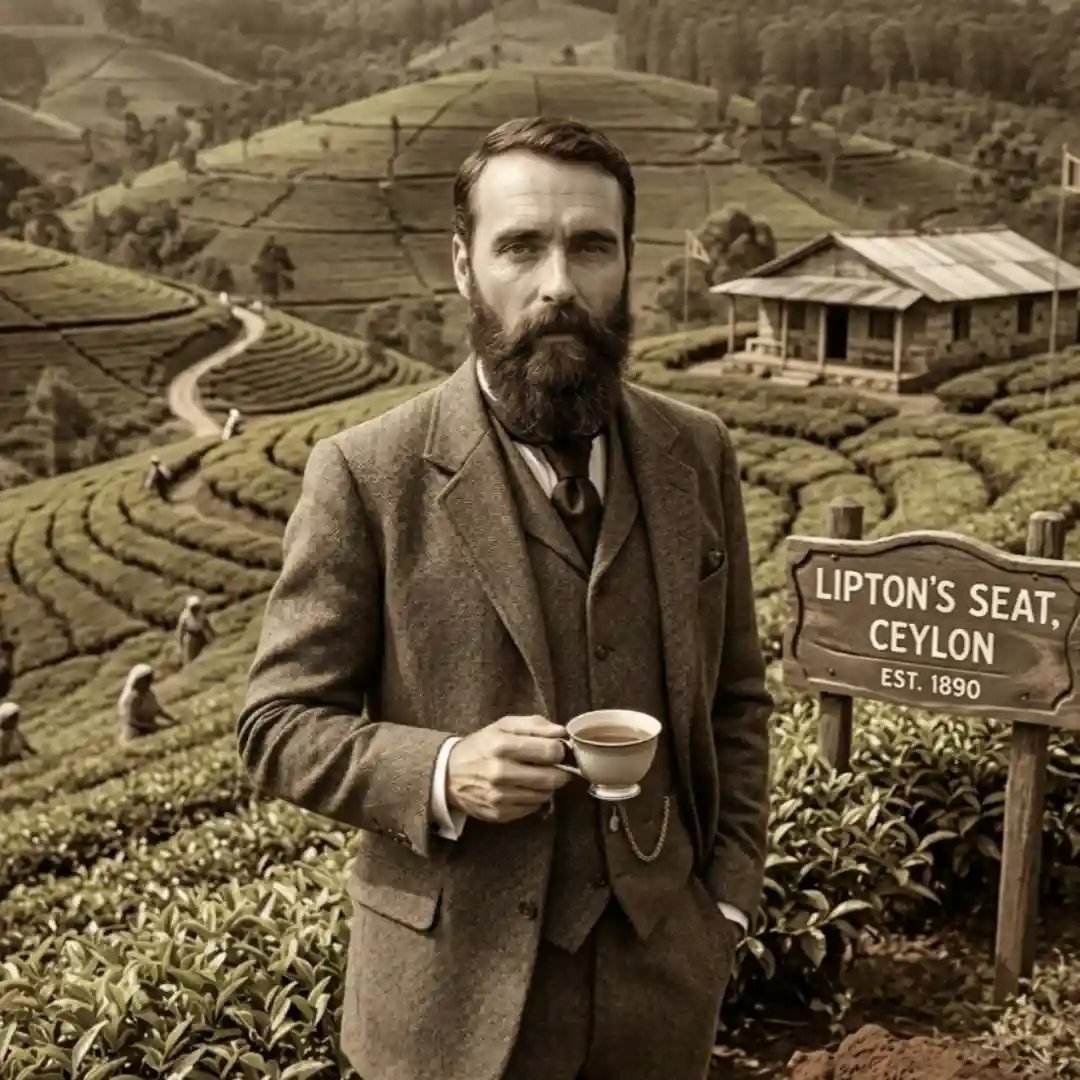
James Taylor (1835–1892) is widely recognized as the pioneer who laid the foundation for the Sri Lankan tea industry. Born in Scotland, Taylor arrived in Ceylon in 1852 at just seventeen years of age to work in the plantation sector. Initially involved in coffee cultivation, he witnessed firsthand the collapse of the coffee industry caused by the leaf rust epidemic.
Rather than abandon the plantations, Taylor began experimenting with tea cultivation. Inspired by developments in India’s tea industry, particularly in Assam, he believed that the climate and soil of Sri Lanka’s central highlands were equally suitable for growing tea.
In 1867, Taylor planted the first commercial tea field on Loolecondera Estate, located near Kandy. Starting with approximately 19 acres of tea plants, he began carefully studying cultivation techniques, harvesting methods, and processing procedures. His early efforts involved hand-rolling tea leaves and drying them over charcoal fires in simple buildings on the estate.
These small-scale experiments marked the beginning of Sri Lanka’s tea industry.
As production increased, James Taylor recognized the need for improved processing techniques. In 1872, he built one of the first tea factories in Ceylon at Loolecondera Estate. The factory introduced more organized methods of withering, rolling, fermenting, and drying tea leaves.
By 1873, Taylor was exporting Ceylon tea to international markets for the first time. The initial shipment, just a small consignment sent to London, marked the beginning of what would eventually become one of Sri Lanka’s most important export industries.
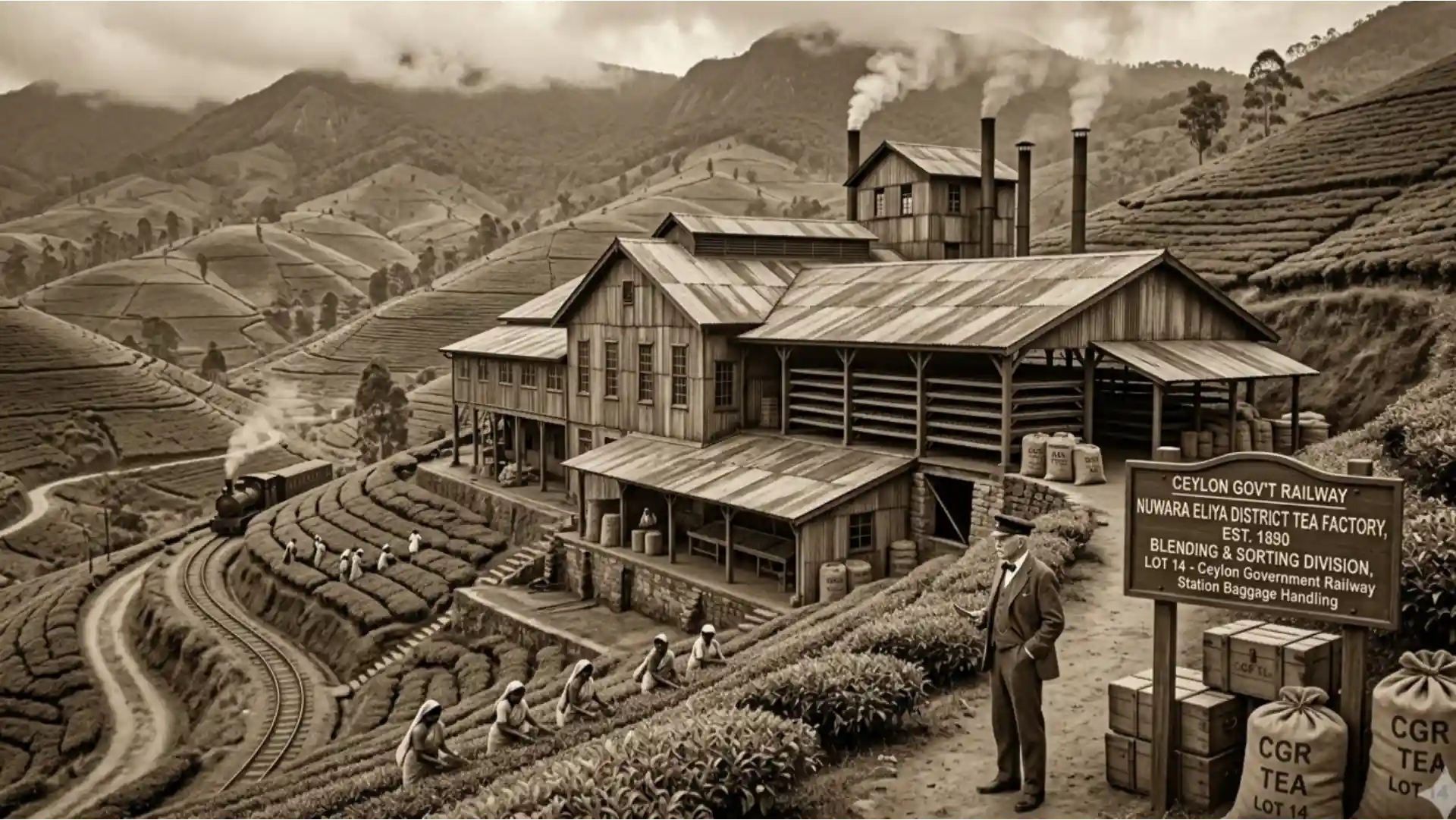
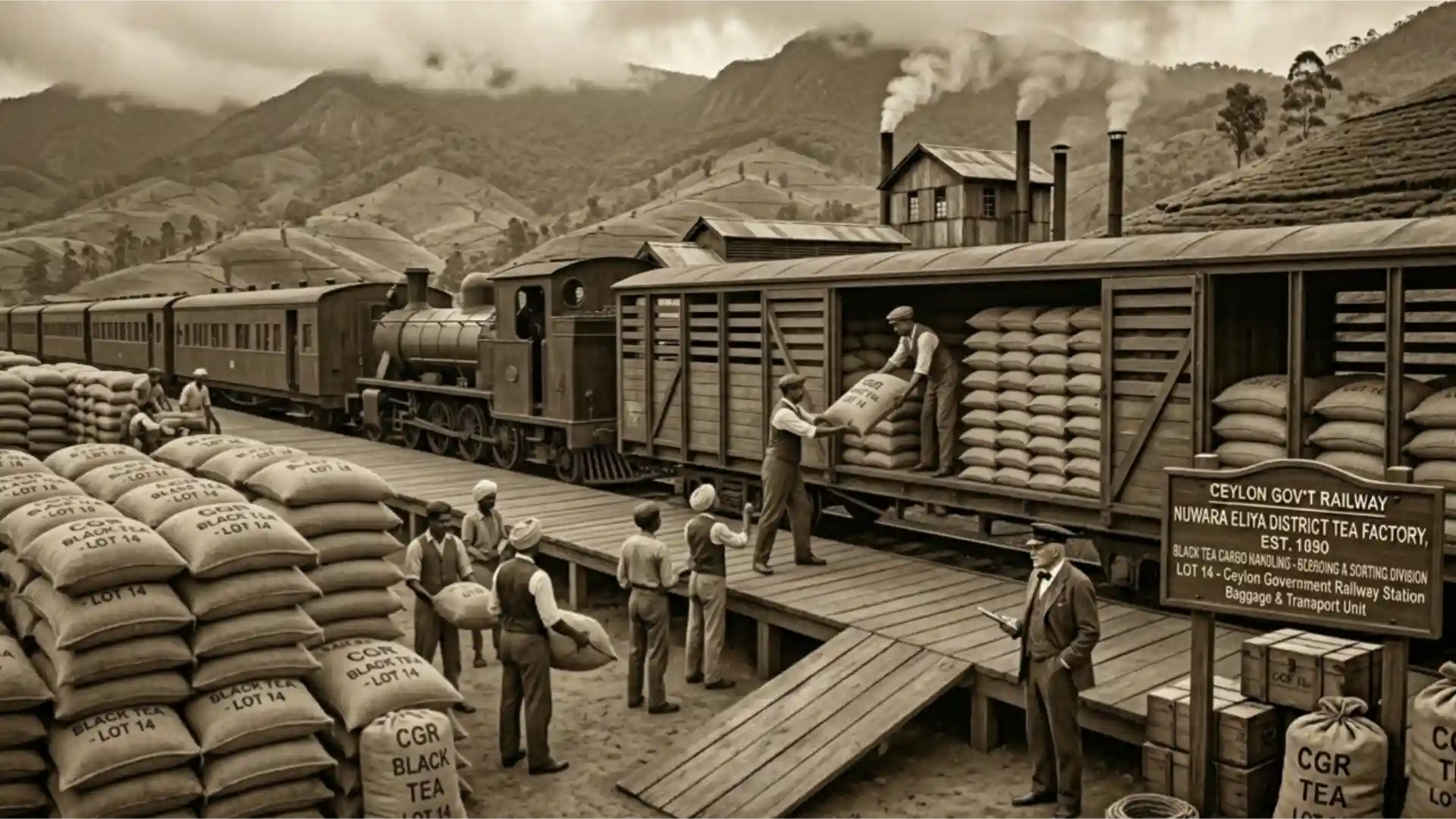
The late 19th century saw rapid growth in tea cultivation throughout Sri Lanka. Plantation owners recognized the economic potential of tea, and thousands of acres of land were converted into tea estates across regions such as Kandy, Nuwara Eliya, Dimbula, Uva, and Ruhuna.
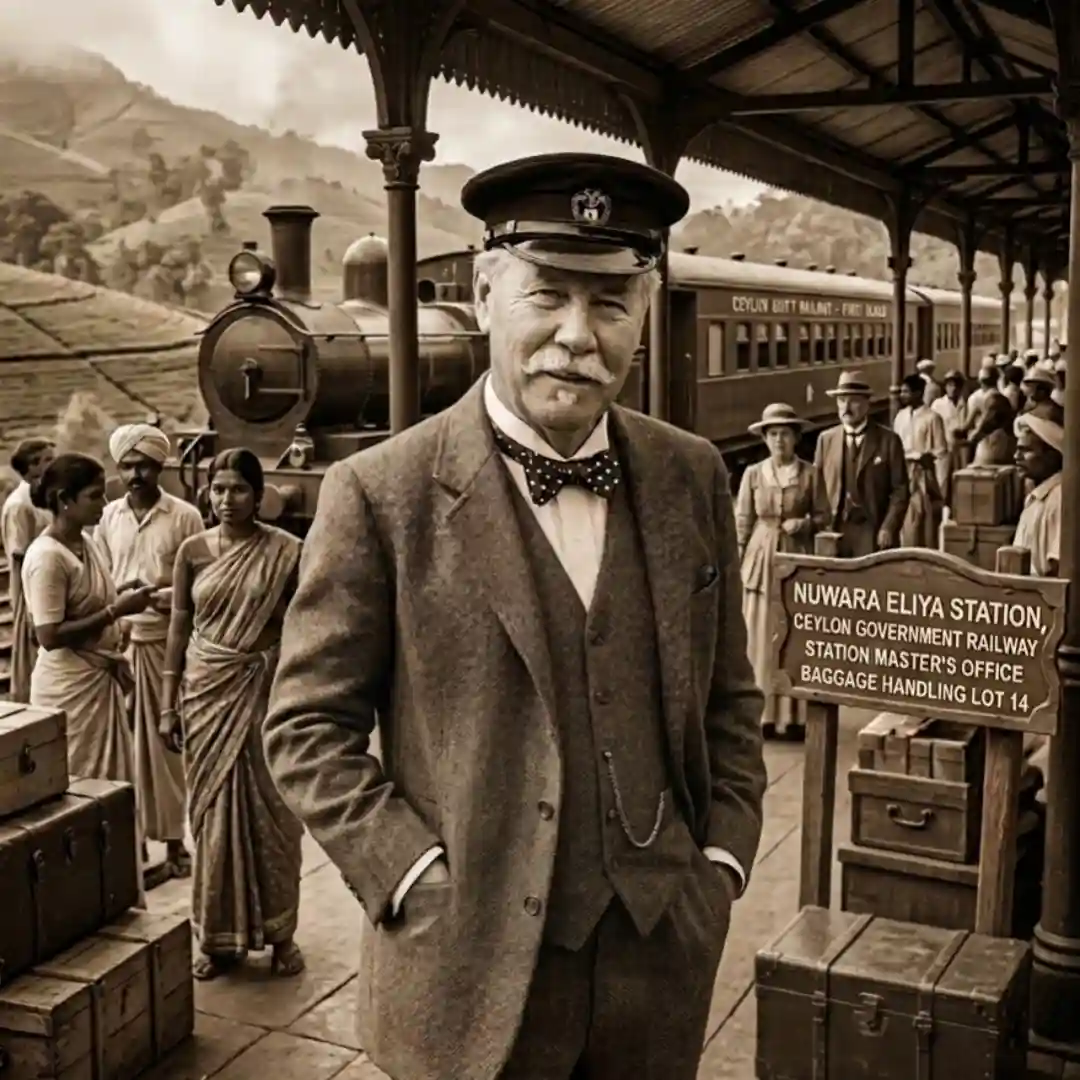
Advances in cultivation techniques, improved factory equipment, and the development of railway networks allowed tea to be transported efficiently from mountain estates to the port of Colombo. From there, Ceylon tea was exported to markets around the world.
While James Taylor established tea cultivation in Sri Lanka, another influential figure played a crucial role in popularizing Ceylon tea globally: Sir Thomas Lipton (1848–1931).
A Scottish entrepreneur and founder of the Lipton brand, Thomas Lipton recognized the commercial potential of Ceylon tea during the late 19th century. He purchased several tea estates in Sri Lanka and focused on marketing high-quality tea directly to international consumers.
Lipton revolutionized the tea trade by promoting direct supply from plantation to consumer, making quality tea more affordable and accessible. His marketing strategies helped introduce Ceylon tea to households across Europe and North America, significantly boosting global demand.
Together, the agricultural innovations of James Taylor and the commercial vision of Thomas Lipton helped establish Ceylon tea as a globally recognized product.

More than a century later, tea remains one of Sri Lanka’s most important industries and a defining part of the nation’s cultural and economic identity. Millions of people around the world enjoy Ceylon tea every day, appreciating its bright color, lively flavor, and aromatic character.
The foundations laid by pioneers like James Taylor continue to influence modern tea cultivation and processing methods. Today, Sri Lanka produces a wide variety of teas grown across diverse climates and elevations, each offering unique flavor characteristics.
Pure Ceylon Tea
The story of Ceylon tea is ultimately a story of resilience and innovation. From the collapse of the coffee industry to the rise of a globally celebrated tea culture, the vision of a few determined individuals transformed Sri Lanka into one of the world’s leading tea producers.